Phytotherapy research : PTR
Natarelli, Nicole, Yvonne Nong, Jessica Maloh, and Raja Sivamani
These dosages are typically given to treat deficiency resulting from pernicious anemia, gastrointestinal disorders (such as Crohns disease), malabsorption syndromes, gastric surgeries and long-term use of medications (such as proton pump inhibitors)
19 Self-medication The measure for the dependent variable SMVI was developed for the purpose of this study

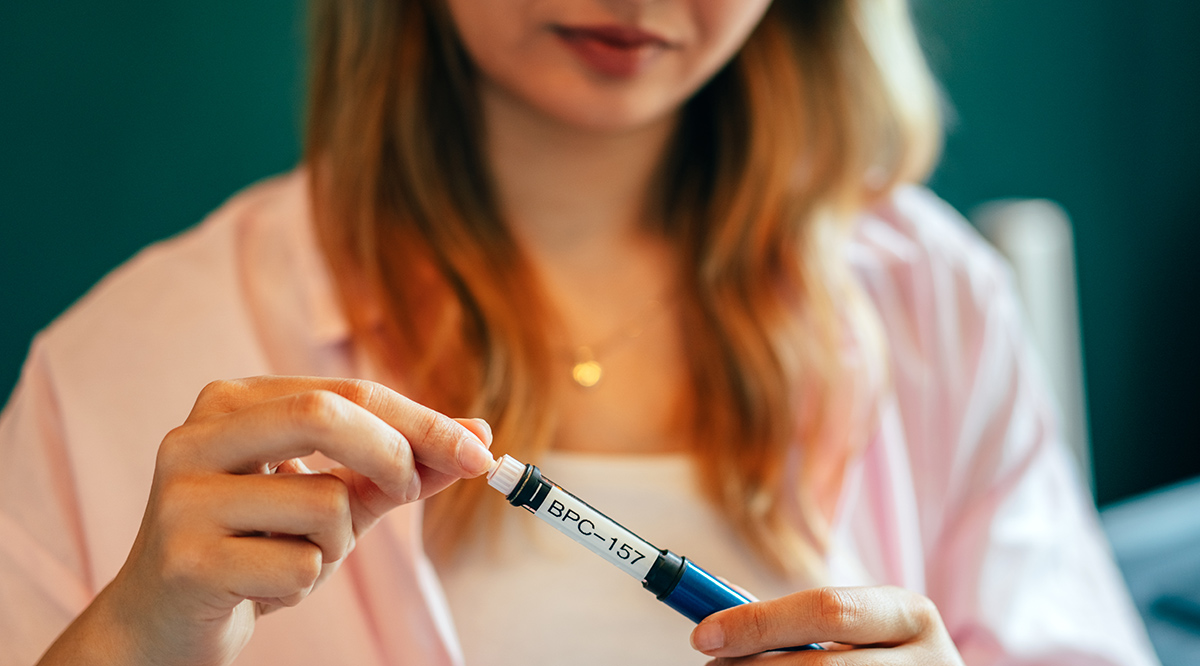
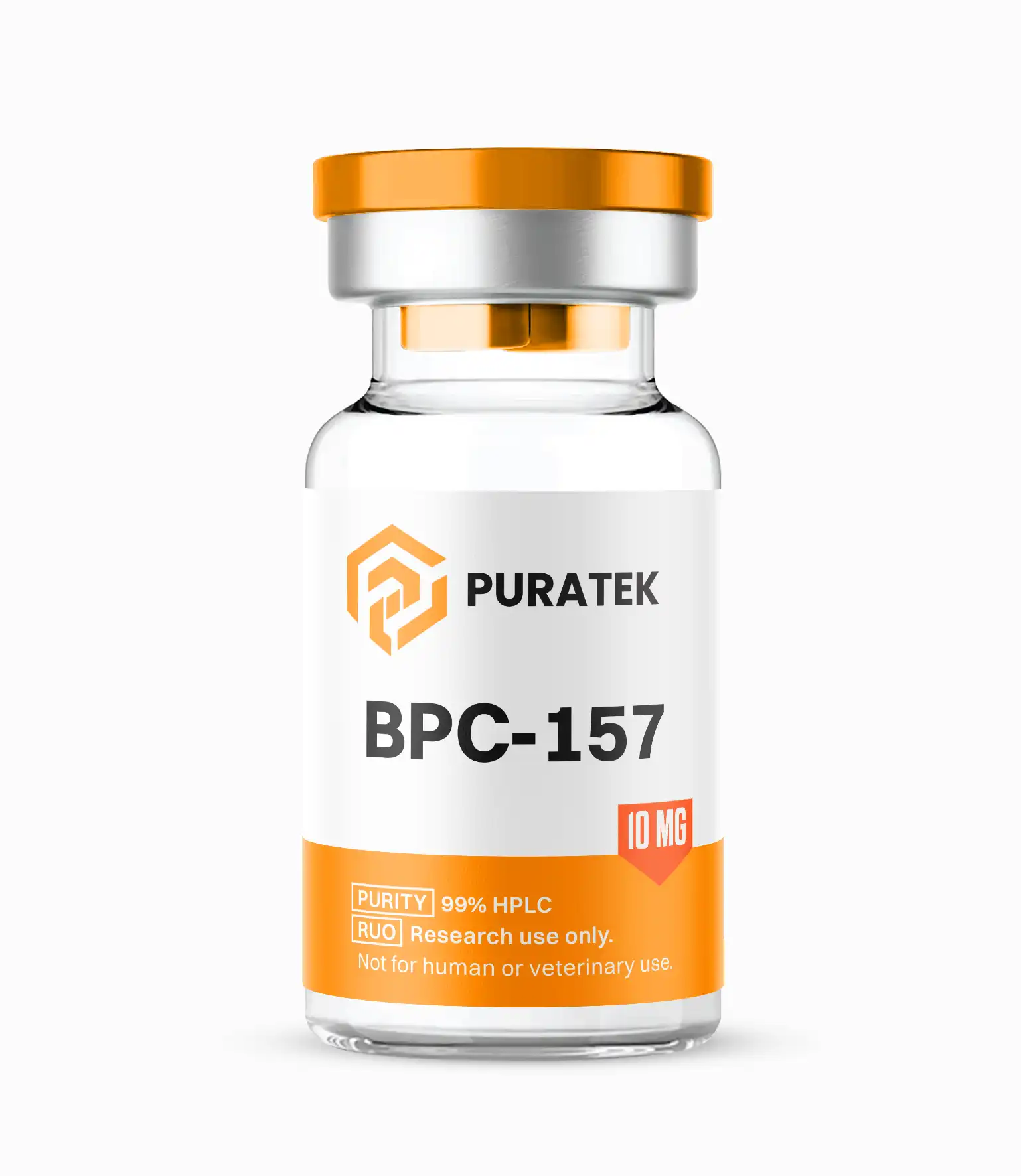
Research Verdict: When to Use Each or Both Choose BPC-157 When Research Focuses On: Gastrointestinal healing and protection Tendon and ligament injuries Nerve regeneration and neuroprotection Situations requiring oral administration Protection from NSAID or other toxic damage Choose TB-500 When Research Focuses On: Cardiac tissue repair and cardioprotection Wound healing and scar reduction Systemic anti-inflammatory effects Muscle regeneration Hair follicle research Consider Combination When: Comprehensive tissue repair is the goal (e.g., complex injury involving multiple tissue types) Maximizing angiogenesis AND cell migration is desired Research hypothesis involves sequential healing phases Mechanistic Rationale for Stacking: The combination addresses different phases of healingBPC-157 promotes blood vessel ingrowth and initial cytoprotection, while TB-500 facilitates the cellular repair and remodeling that follows vascularization