Many members of the committee had voted to include certain peptides on the list but added, after voting, that they hoped the FDA would put certain guardrails in place to ensure that the compounding pharmacies met certain safety and quality guardrails
Testing limits It remains unclear when the Food and Drug Administration might approve new GLP-1 drugs in lower doses for children younger than 12
Mechanistic themes seen in preclinical research In animal and mechanistic work, AOD-9604 has been associated with: Increased lipolysis (breaking down stored fat) Reduced lipogenesis (reducing fat storage) Interactions with -adrenergic pathways in adipose tissue have been discussed as part of its lipolytic signaling profile (OUP Academic) In obese animal models, AOD-9604 has shown reductions in body weight and body fat and changes consistent with increased fat mobilization
The mitigations below reflect the general approach to GLP-1-class tolerability documented in the research: The through-line: nearly every one of these is mitigated first by titrating slowly
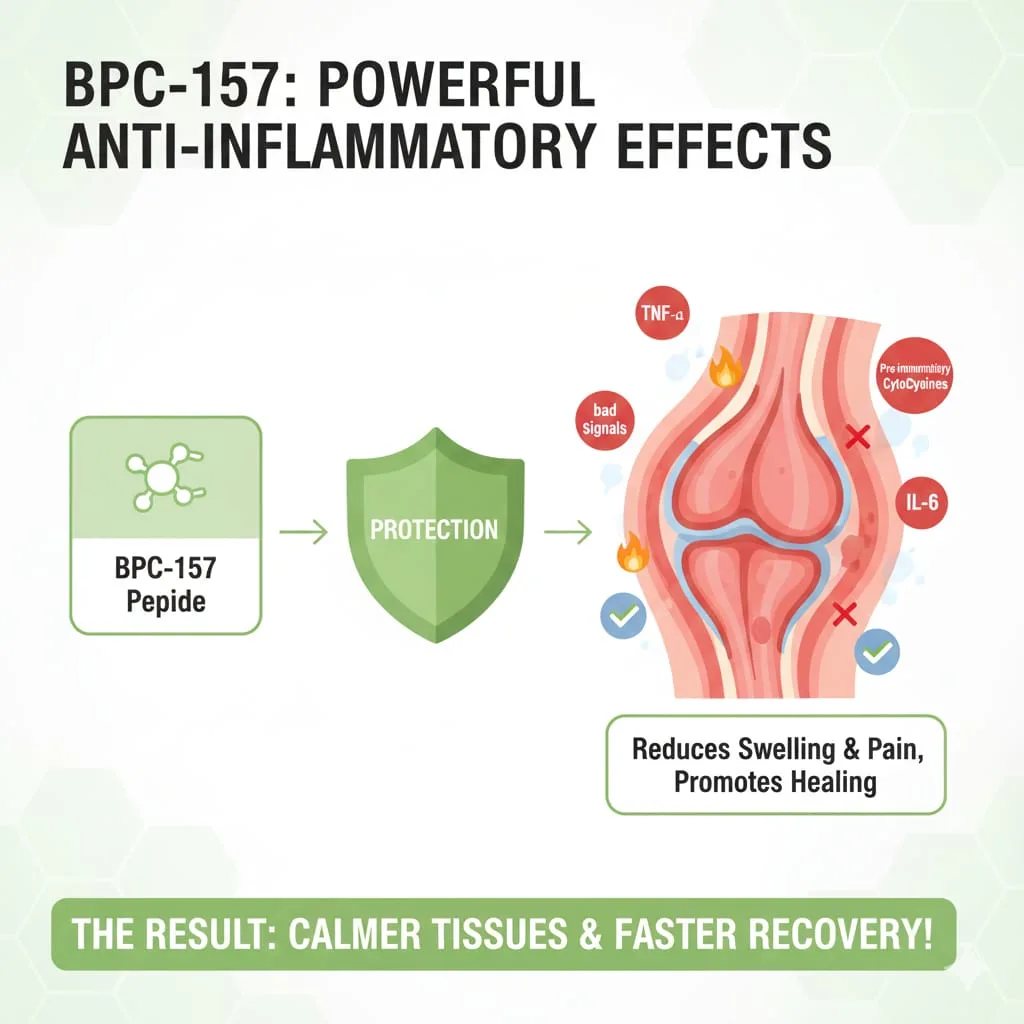
It was originally derived from a protein fragment associated with gastric juice and studied for its protective effects on the gastrointestinal system. Since its development in the 1990s, research has expanded into musculoskeletal healing, where it has shown promising effects in animal models involving tendon, ligament, muscle, and bone injuries. One important caveat regarding BPC-157 is that it is not FDA-approved for human use, and most of what we know comes from preclinical research