Bibcode:1977Sci...196.1410E
Cycle structures for different goals General anti-aging and skin health: 4 weeks on, 4 weeks off Repeat cycles as needed Many users report retained benefits during off periods for skin-related effects Injury recovery: 6-8 weeks continuous, or until recovery milestone achieved May use intensive protocol initially, tapering to standard after 2 weeks Minimum 4-week break before starting new cycle Athletic recovery and performance: 4 weeks on, 2 weeks off Can continue rotating cycles during training blocks Take extended 4-6 week break every 3-4 cycles Chronic condition support: Longer cycles of 8-12 weeks may be appropriate under medical supervision Lower maintenance dosing during extended use Regular assessment of continued benefit versus potential tolerance What happens during rest periods Many of the structural benefits, collagen remodeling , tissue repair, improved skin texture, persist beyond active peptide use
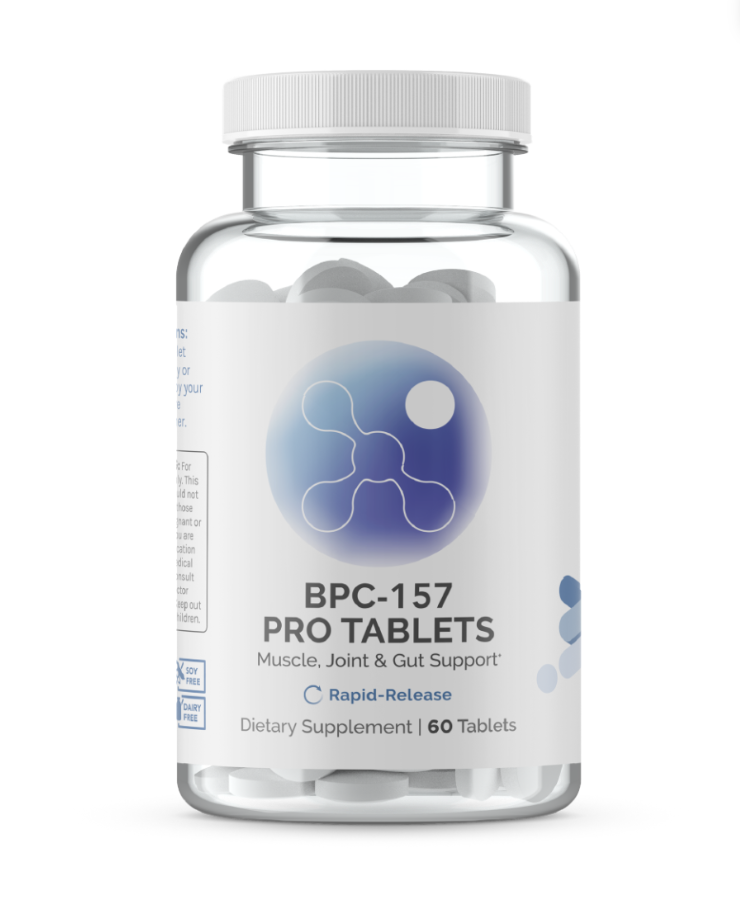
Key Research Areas for the Wolverine Stack Dual-phase tissue repair pathway studies vascular/ECM organisation (BPC-157) and cellular migration/cytoskeletal reconstruction (TB-500) Musculoskeletal healing pathway research tendon, ligament, muscle, and connective tissue models Angiogenesis studies VEGF/VEGFR2 upregulation, vascular tube formation, capillary network organisation Fibroblast migration, adhesion, and ECM stabilisation assays Stem/progenitor cell mobilisation and tissue-site differentiation studies Anti-inflammatory and anti-oxidative stress pathway research TNF-, IL-6, reactive oxygen species modulation Collagen synthesis, fibre alignment, and organisational quality studies Combination vs
Unified Vascular Response The unified vascular response across organ systems stems from BPC-157s activation of VEGFR2-Akt-eNOS and Src-Caveolin-1-eNOS signaling pathways, promoting angiogenesis and NO-dependent vasomodulation
Nothing crazy happened at first