Abbreviations GPER: G protein-coupled estrogen receptor ER: Estrogen receptors ER: Estrogen receptors GPR30: G protein-coupled receptor 30 MAPK: Mitogen-activated protein kinase ERK-1/2: Extracellular signal-regulated kinase 1/2 IUPHAR: International Union of Basic and Clinical Pharmacology TM: Transmembrane GPCR: G proteincoupled receptor Epi: epicatechin NO: Nitric oxide PFCs: Perfluorinated compounds Gs: Gs alpha subunit Gq: Gs alpha q AC: Adenylyl cyclase cAMP: Cyclic adenosine monophosphate PKA: Protein kinase A IP3: Inositol trisphosphate DAG: Diacylglycerol PIP2: Phosphatidylinositol-4,5-bisphosphate GDP: Guanosine diphosphate GTP: Guanosine triphosphate PLC: Phospholipase C PKC: Protein kinase C AMPK: AMP-activated protein kinase LKB1: Liver kinase B1 CaMKK: Calcium/Calmodulin-dependent protein kinase beta ACC: Acetyl-CoA carboxylase GLUT4: Glucose transport protein 4 HMGCR: 3-hydroxy-3-methylglutaryl-CoA reductase CPT1: Carnitine palmitoyl transferase 1 PPAR: Peroxisome proliferator-activated receptor alpha FAS: Fatty acid synthase SREBP-1c: Sterol regulatory element-binding protein 1c TNF-: Tumor necrosis factor alpha IL-1: Interleukin-1 beta IL-6: Interleukin-6 NF-B: Nuclear factor kappa-light-chain enhancer of activated B cells PI3K: Phosphoinositide 3-kinase AKT: Protein kinase B IBD: Inflammatory bowel disease PEPCK: Phosphoenolpyruvate carboxykinase G6Pase: Glucose-6-phosphatase DHEA: Dehydroepiandrosterone Nrf2: Nuclear factor erythroid 2-related factor 2 GLUT: Glucose transporter eNOS: Endothelial nitric oxide synthase KLF2: Krppel-like factor 2 ATGL: Adipose triglyceride lipase VDR: Vitamin D receptor TRPV6: Transient receptor potential vanilloid 6 SOD: Superoxide dismutase GPx: Glutathione peroxidase Runx2: Runt-related transcription factor 2 VSMCs: Vascular smooth muscle cells T2D: Type 2 diabetes GLUT2: Glucose transport protein 2 MBD: Metabolic bone disease RANK: Receptor activator of nuclear factor kappa- RANKL: Receptor activator of nuclear factor kappa- ligand OPG: Osteoprotegerin PCOS: Polycystic Ovary Syndrome DHT: Dihydrotestosterone LH: Luteinizing hormone FSH: Follicle-stimulating hormone HPO: Hypothalamicpituitaryovarian CRP: C-reactive protein NAFLD: Nonalcoholic fatty liver disease MS: Metabolic syndrome IRSs: Insulin receptor substrates SHRs: Spontaneously hypertensive rats HO: Hydrogen peroxide CVDs: Cardiovascular Diseases PTC: Papillary thyroid carcinoma TCGA: The Cancer Genome Atlas TSH: Thyroid-stimulating hormone WAT: White adipose tissue UCP1: Uncoupling protein 1 KO: Knockout GLUTs: Glucose transporters HK: Hexokinase HIF-1: Hypoxia-inducible factor 1 alpha LDH: Lactate dehydrogenase CAFs: Cancer-associated fibroblasts BCAAs: Branched-chain amino acids BCKDH: Branched-chain -ketoacid dehydrogenase complex Sirt1: Sirtuin 1 HMGB1: High-mobility group box 1 PD-L1: Programmed death-ligand 1 References Notas G, Kampa M, Castanas E

Step 2: Establish Your Timing Many people find that taking NAC on an empty stomach, about 30 minutes before breakfast, allows for the best absorption of the amino acid
Nayan Patel: He was using liposome technology product, and so the results that he was getting took him three to four months to get the results that he was looking for
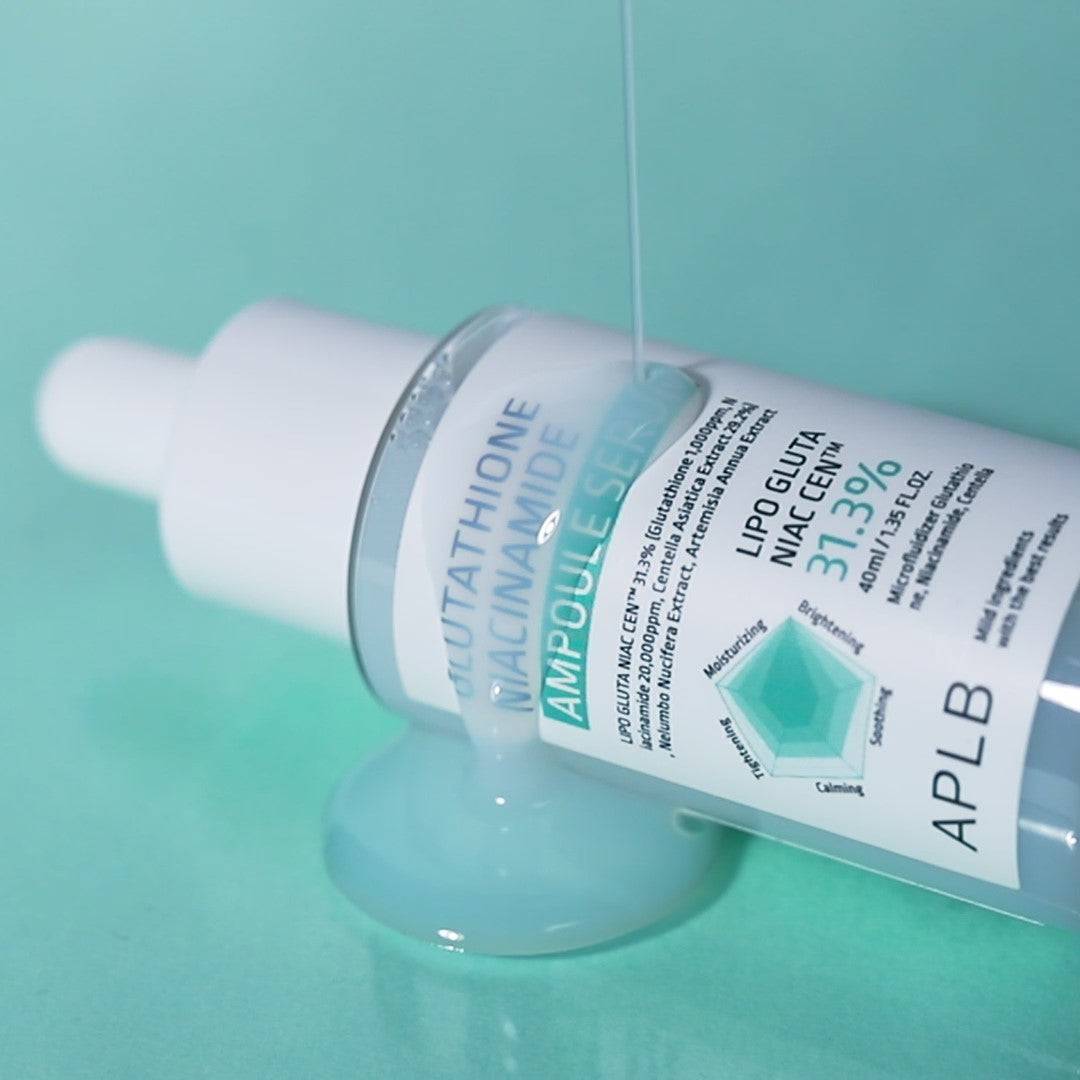
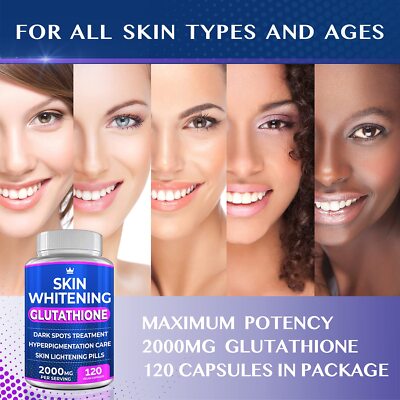
While your body produces it on its own, levels of glutathione start to decline with age, stress, illness, alcohol consumption , and environmental toxins
Tesamorelin can increase appetite through growth hormone effects on hunger signaling