[12] People with Crohn's disease, especially those with ileal involvement, may already have a higher baseline risk of gallstone formation [21] [22] Dehydration and acute kidney injury : Persistent vomiting or diarrhoea can lead to dehydration, particularly in vulnerable patients Bowel obstruction : For individuals with Crohn's disease, especially those with known strictures, the risk of obstruction may theoretically be increased due to the medication's effect on gastrointestinal motility Practical strategies to minimise side effects include: Starting with a low dose and gradually increasing as tolerated Eating smaller, lower-fat meals and avoiding overeating Maintaining adequate hydration Temporarily pausing dose escalation if symptoms become intolerable Patients should be advised to contact their GP or specialist immediately if they experience: Severe, persistent abdominal pain (especially if radiating to the back) Persistent vomiting preventing adequate fluid intake Signs of dehydration Blood in stools or black, tarry stools Symptoms suggesting bowel obstruction (severe cramping, inability to pass stool or gas, abdominal distension) Suspected adverse reactions should be reported via the Yellow Card Scheme (yellowcard.mhra.gov.uk or the Yellow Card app)
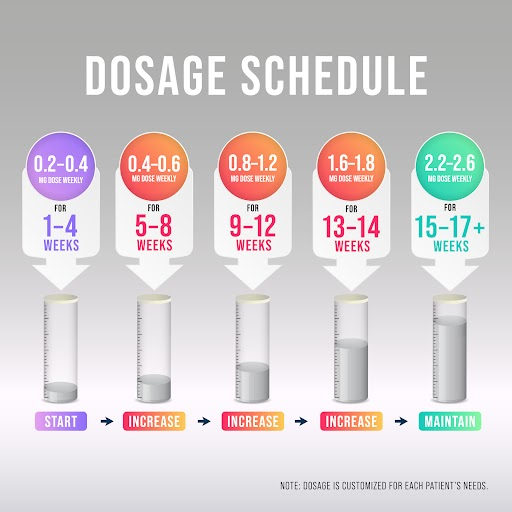
In others, it can be uncomfortable and significantly reduce appetite
slowing down the rate of dose increases often helps
One-third of people with type 1 also live with obesityyet theyre excluded from using medications that could help
Assay: Glutathione in pig cells