Your provider can assess whether continuation, dose adjustment, or temporary pause of GLP-1 therapy is appropriate based on clinical context
Urinary changes may occur indirectly through improved blood glucose control reducing hyperglycemia-related excessive urination, increased fluid intake to manage gastrointestinal side effects, or concurrent use of other medications like SGLT2 inhibitors that do affect urination
If you also take insulin, another peptide, or any injectable medication, each one has its own concentration and its own unit-to-mg relationship
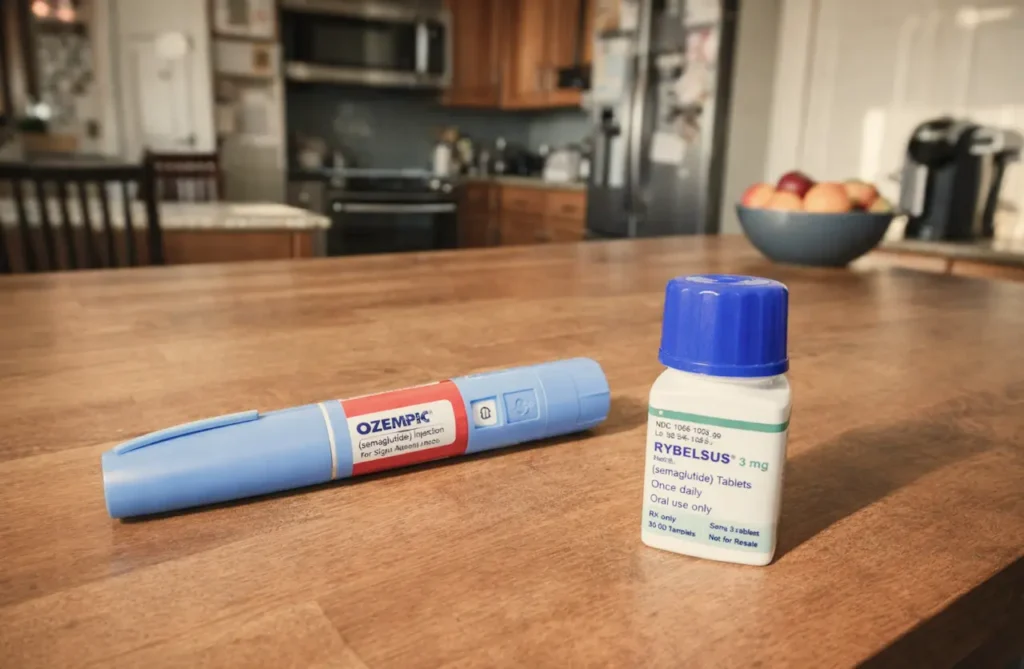
Patients with established cardiovascular disease (heart attack, stroke history) who benefit from semaglutides proven MACE reduction (SELECT trial) Adolescents aged 1217 with obesity Wegovy is the only approved GLP-1 option in this age group Patients who prefer or need an oral medication option (Rybelsus tablets for type 2 diabetes) Those for whom semaglutide is more affordable or better covered by insurance Patients with metabolic dysfunction-associated steatohepatitis (MASH) Wegovy HD received approval for this indication in 2025 First-time GLP-1 users who want to start with the medication with the longest real-world safety track record Frequently Asked Questions Is tirzepatide stronger than semaglutide
Clinicians and patients should remain vigilant for the following scenarios: Uncontrolled Hyperglycemia: In patients with type 2 diabetes, increased urination accompanied by excessive thirst (polydipsia), unexplained weight loss, or fatigue may signal inadequate glycemic control