2022;3(3):e162

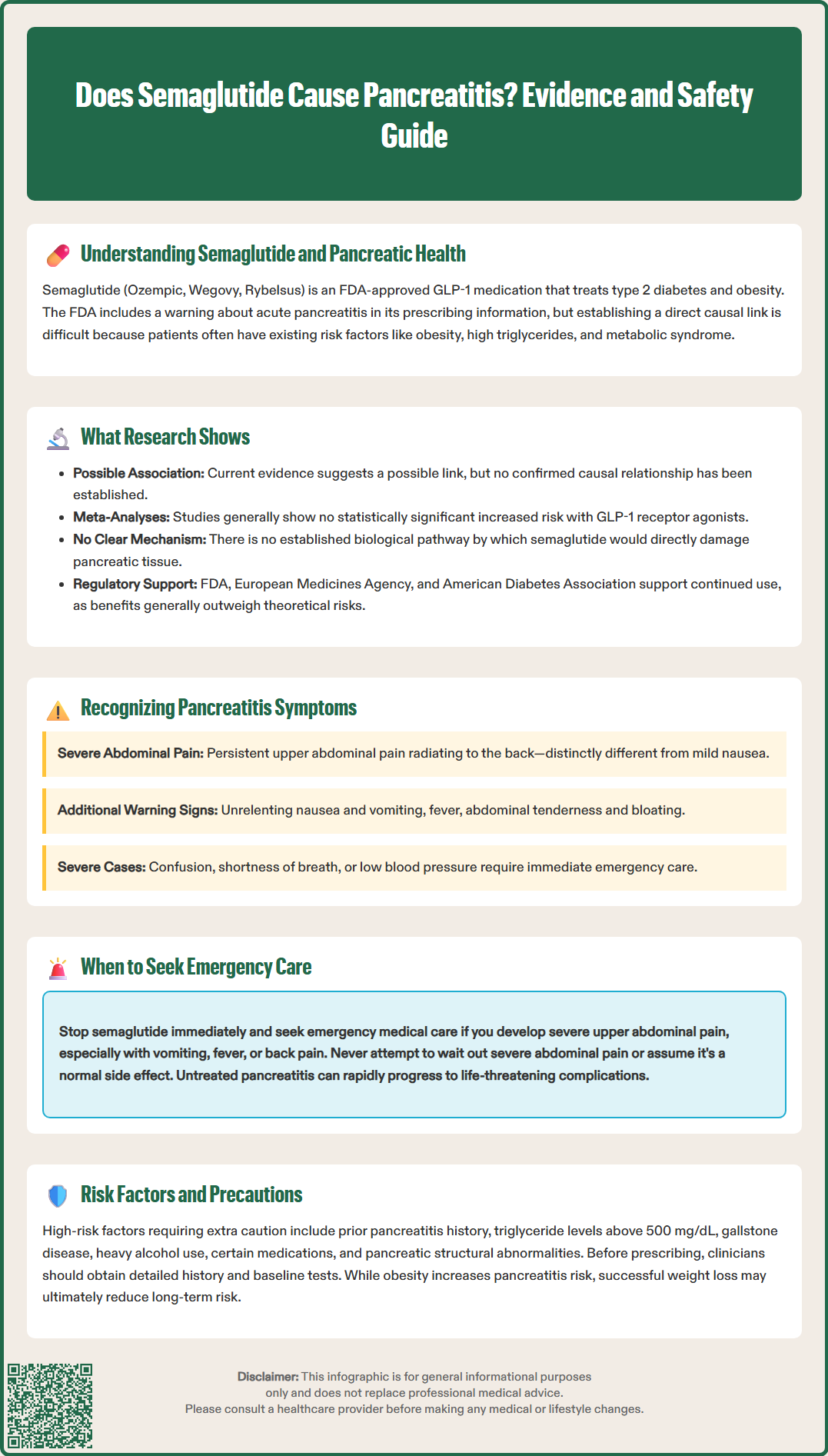
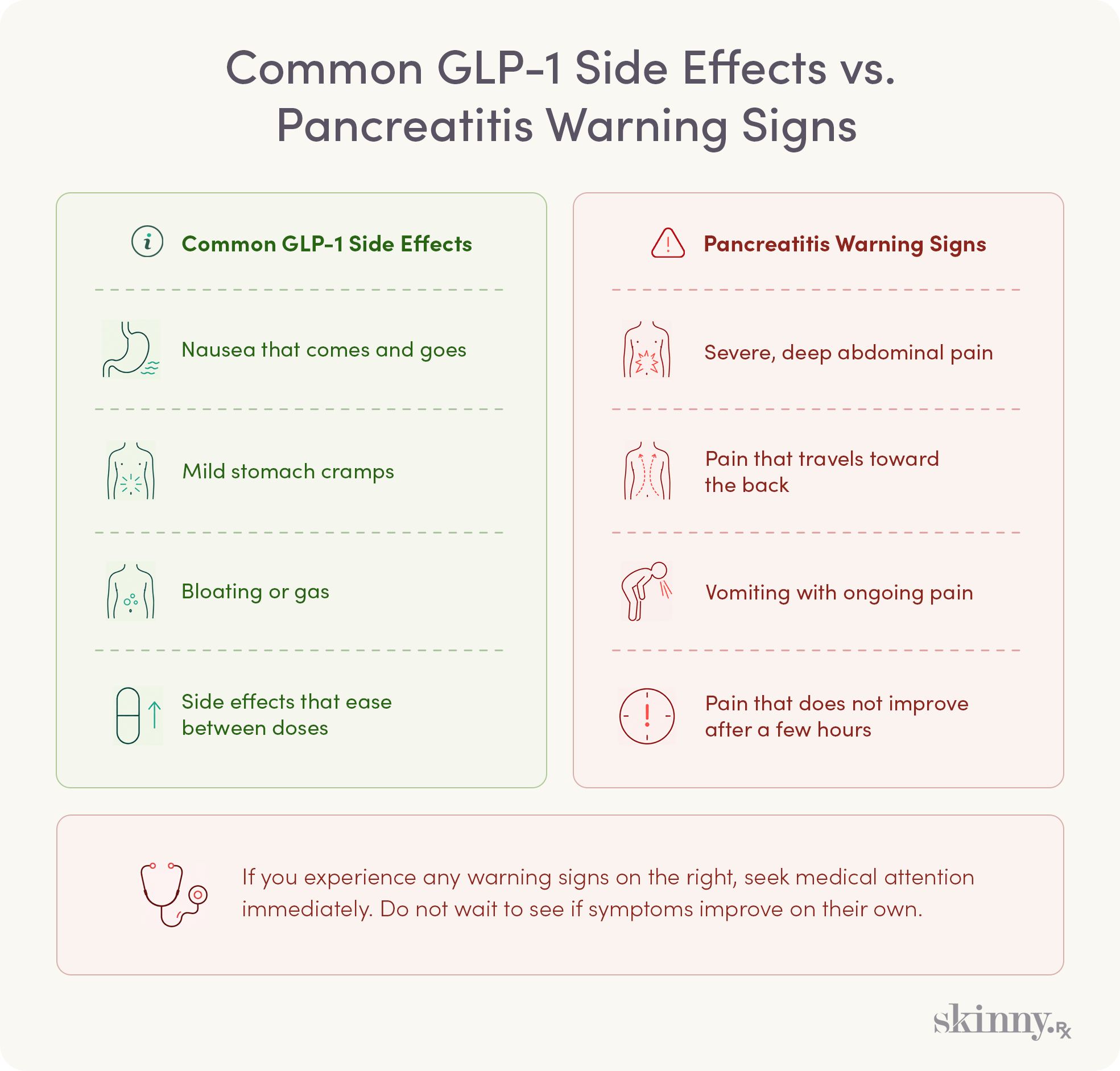
Important points for patients to understand: No proven link exists between GLP-1 medications and pancreatic cancer based on extensive research involving hundreds of thousands of patients Type 2 diabetes itself carries an increased risk of pancreatic cancer, independent of treatment The absolute risk of pancreatic cancer remains low, even in higher-risk populations Regular medical follow-up allows for monitoring of overall health and early detection of any concerns When to contact your GP or seek medical attention: Patients should be aware of symptoms that warrant prompt medical evaluation, including: Persistent severe abdominal pain , particularly if it radiates to the back (potential sign of pancreatitis) if this occurs, stop taking your GLP-1 medication and seek urgent medical advice via your GP, NHS 111, or 999 if severe Unexplained weight loss (not attributable to the expected effects of GLP-1 therapy) New-onset jaundice (yellowing of skin or eyes) this requires immediate medical attention Persistent nausea and vomiting Unexpected deterioration in diabetes control or new-onset diabetes without typical risk factors Making informed treatment decisions: Patients considering or currently taking GLP-1 receptor agonists should: Discuss any concerns about cancer risk openly with their healthcare provider Understand their individual risk factors for pancreatic disease Maintain regular follow-up appointments as recommended Report any new or concerning symptoms promptly Continue treatment as prescribed unless advised otherwise by a healthcare professional Report any suspected side effects via the MHRA Yellow Card scheme (yellowcard.mhra.gov.uk) Lifestyle factors that reduce pancreatic cancer risksuch as smoking cessation, maintaining a healthy weight, and moderating alcohol consumptionremain important regardless of medication use

Effects of bioactive factors of the pineal gland on thymus function and cell composition of the bone marrow and spleen in mice of different age
They may reduce: Cardiovascular issues Sleep apnea and other breathing problems High blood pressure Alcohol depedency Kidney and liver disease Some types of cancer Of course, although both Ozempic and Wegovy are semaglutides, its important to note that they themselves are already approved for separate conditions
Tesamorelin and combination protocols are usually more expensive than basic single-peptide support