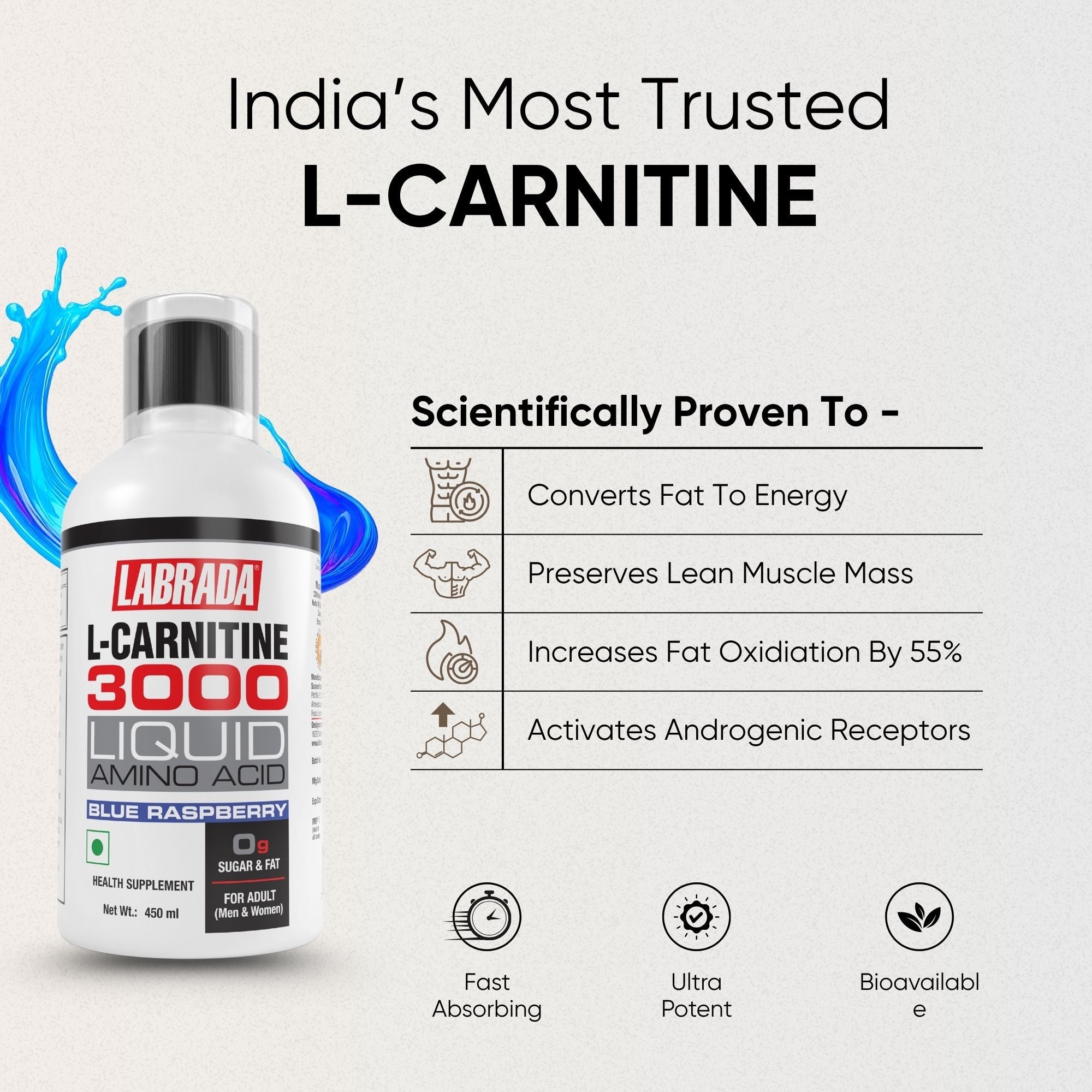
Key Research Areas Lipolysis & fat-cell metabolism Studied in adipocyte models for stimulation of lipolytic activity and inhibition of lipogenesis
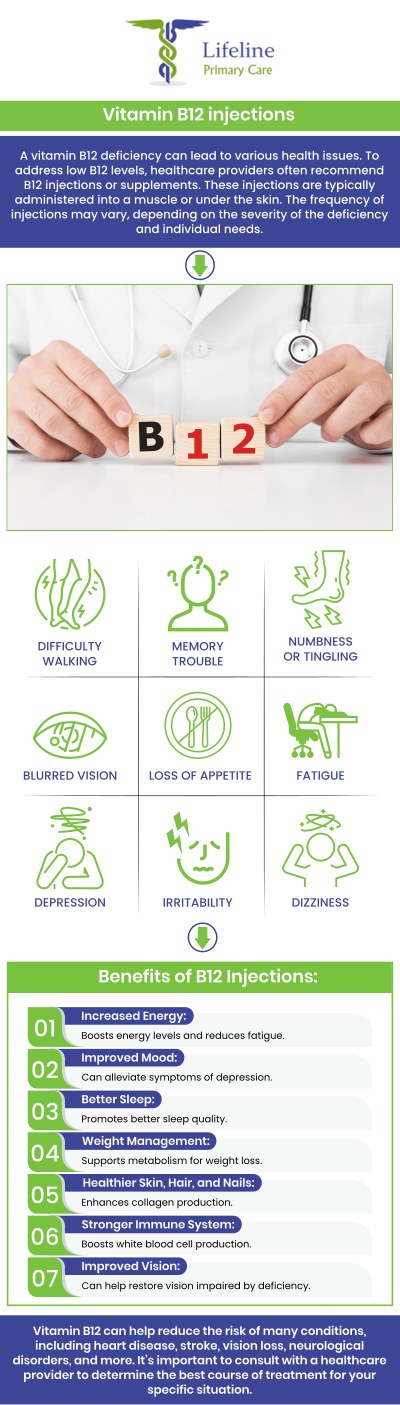
2 3 4 5 2 3 4 5 Some people have a higher risk of nerve damage resulting in symptoms like pamamanid (numbness) and tusok-tusok (tingling) due to a deficiency in some or all of these essential B vitamins
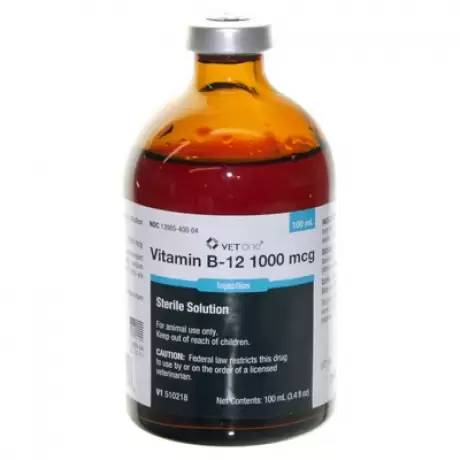
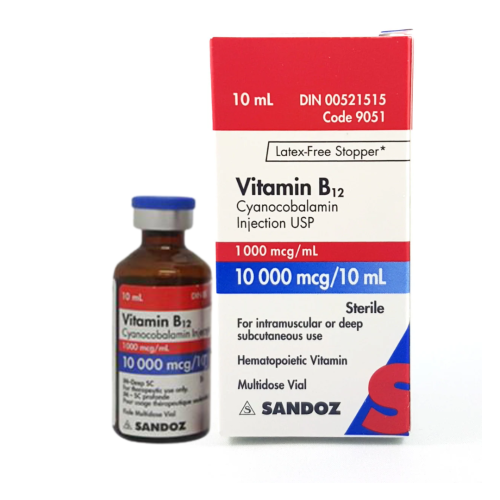
Vitamin B12 is essential for your body, but how you consume it can make a big difference
There is a tragic lack of knowledge among doctors when it comes to B12 deficiency, as discussed in our book The B12 Deficiency Survival Handbook , or in Sally Pacholoks excellent Could It Be B12
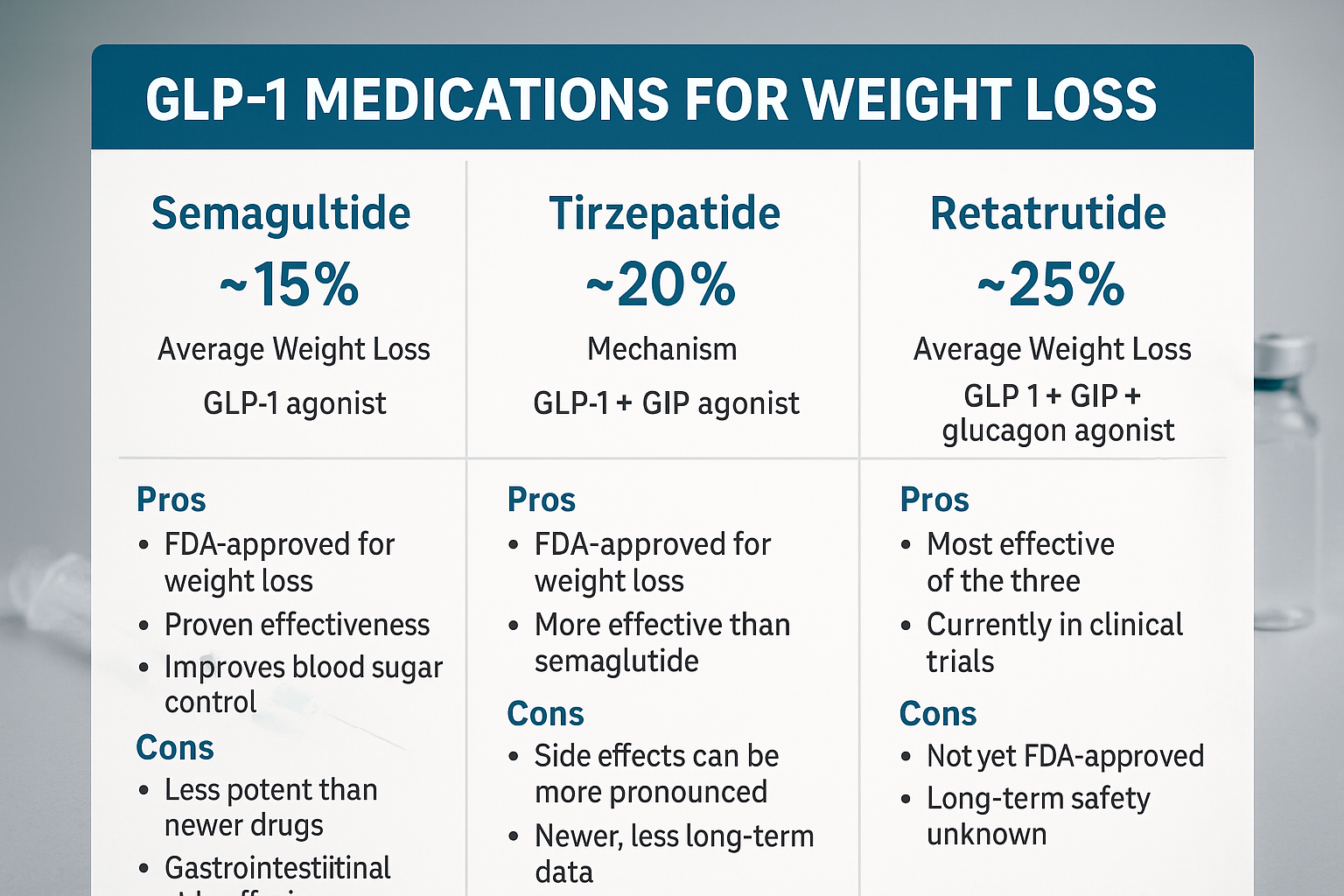
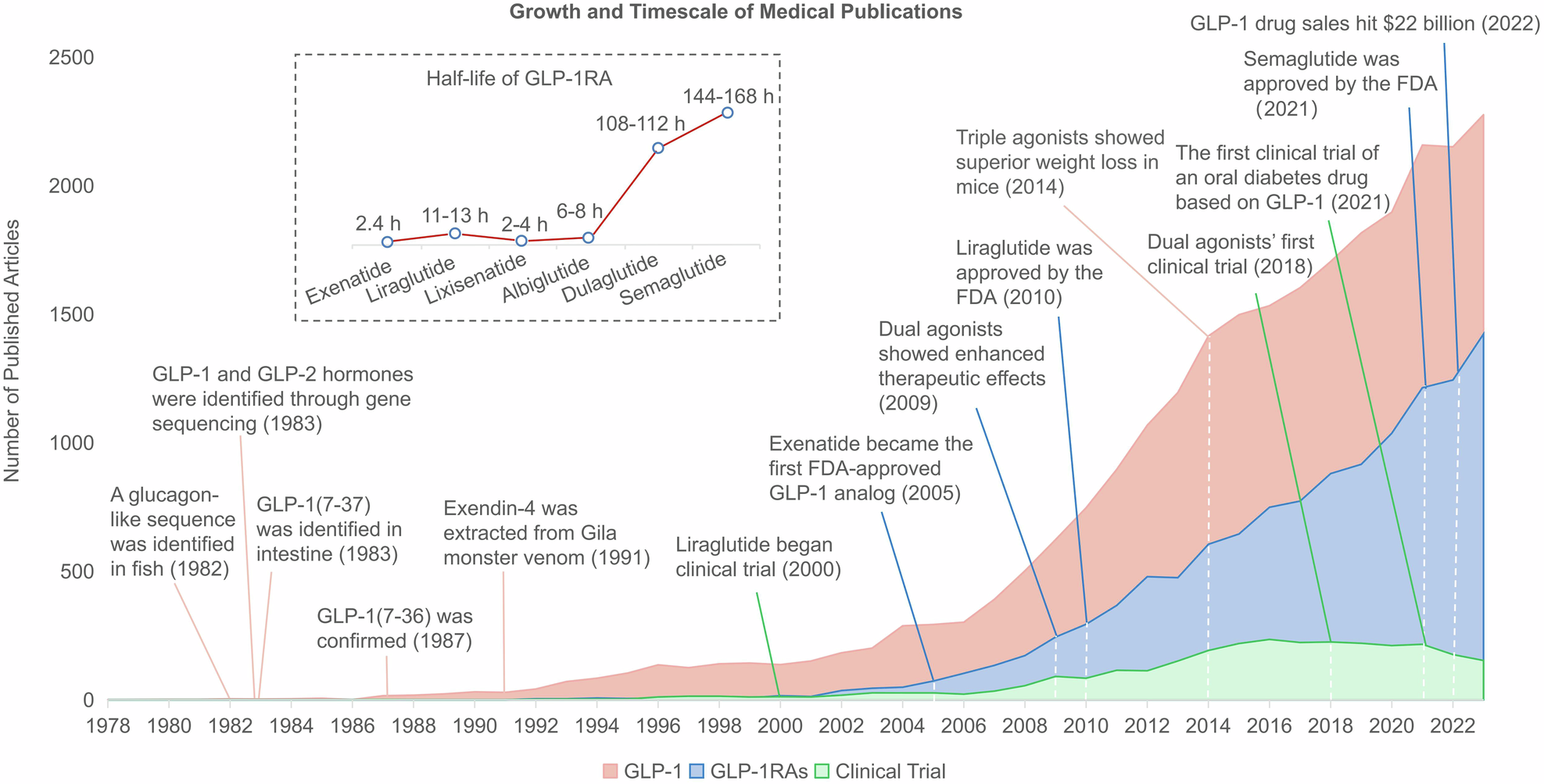
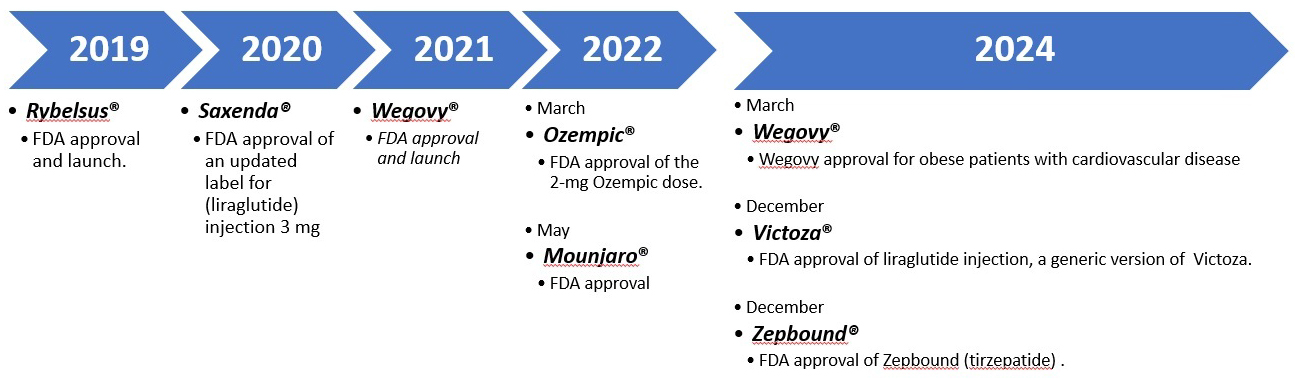
AOD-9604: Direct Lipolysis Theory AOD-9604 is a modified C-terminal fragment of human growth hormone, designed to isolate GH's fat-metabolizing properties: Lipolysis Activation: Theorized to stimulate fat breakdown through beta-3 adrenergic receptor pathways No IGF-1 Stimulation: Unlike full GH, AOD-9604 does not elevate insulin-like growth factor 1 Non-diabetogenic: Does not impair glucose metabolism or insulin sensitivity No Anabolic Effects: Does not promote muscle or organ growth Semaglutide: Central Regulation Theory Semaglutide achieves weight loss through systemic metabolic regulation: Hypothalamic Appetite Control: GLP-1 receptors in the brain reduce hunger and food-seeking behavior Gastric Emptying: Slowed stomach emptying promotes early satiety Insulin Optimization: Glucose-dependent insulin secretion improves metabolic efficiency Reward Pathway Modulation: Reduced hedonic eating and food reward responses The fundamental difference: AOD-9604 attempts to "burn" existing fat directly, while Semaglutide reduces caloric intake through appetite and satiety mechanisms, creating an energy deficit that leads to fat loss