Ann-Margret takes her in, hooking her up with designer Bob Mackie and a divorce lawyer
Here is what smoking does to your gums after scaling and root planing: Reduces blood flow: Nicotine constricts blood vessels, limiting oxygen and nutrient delivery to healing tissues Delays tissue repair: Slower healing means longer exposure to infection risks in deep pockets Increases plaque and tartar buildup: Smoking encourages more tartar buildup, which reverses the benefits of the deep cleaning procedure Suppresses immune response: Your body becomes less capable of fighting off harmful bacteria, especially in cases of severe periodontitis Masks symptoms: Smoking can hide signs of gum disease progression, making it harder to detect worsening oral health What To Expect If You Smoke After the Procedure Smoking immediately after scaling and root planing can cause complications and limit results of the dental procedure
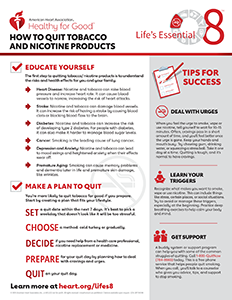
Stop Smoking for Better Health IS THERE A SMOKER IN THE ROOM
3.1 Mitochondria-associated metabolic reprogramming of macrophages Mitochondria serve as the central hub for macrophage metabolic plasticity, which plays an important role in energy production, immune regulation, signal transduction, and cell fate determination, intervening the inflammation regulation and macrophage repair (84)
Common symptoms in patients with a neck mass at higher risk for cancer (see What Causes a Neck Mass below) include: The mass lasts longer than two to three weeks The mass gets larger The mass gets smaller but does not completely go away Voice change Trouble or pain with swallowing Trouble hearing or ear pain on the same side as the neck mass Neck or throat pain Unexplained weight loss Nasal blockage in one side of the nose Breathing difficulty Bleeding from nose and oral cavity Coughing up blood Skin lesion on the face or scalp that is growing or changing color What Causes a Neck Mass