Seek urgent medical attention if you experience: Severe depression or persistent low mood lasting more than two weeks, particularly if accompanied by loss of interest in previously enjoyed activities Suicidal thoughts or self-harm ideation call 999 or attend A&E if you feel at immediate risk, contact your GP urgently, call NHS 111, or phone the Samaritans (116 123) for 24/7 support Uncontrollable anger or aggressive impulses that feel out of character or threaten your safety or that of others Severe anxiety or panic attacks that significantly impair daily functioning Psychotic symptoms such as paranoia, hallucinations, or delusional thinking (rare but requiring immediate assessment) Schedule a routine appointment with your prescribing clinician if you notice: Persistent irritability or mood swings that affect relationships or work performance Emotional changes that worsen rather than improve after the first 23 months of treatment Significant mood fluctuations that correlate with your injection schedule New-onset anxiety that wasn't present before starting testosterone therapy Feeling disconnected from your usual emotional responses Sleep disturbances accompanied by mood changes Before your appointment , keep a mood diary documenting emotional symptoms, their timing relative to testosterone doses, and any triggering factors

Purves 2001, Box A
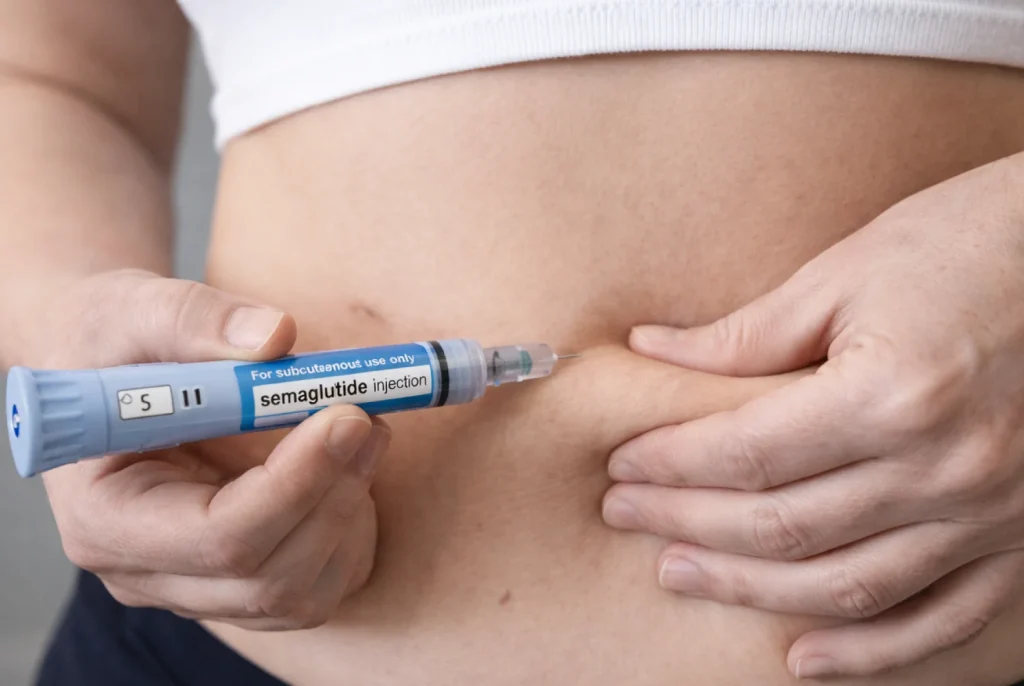
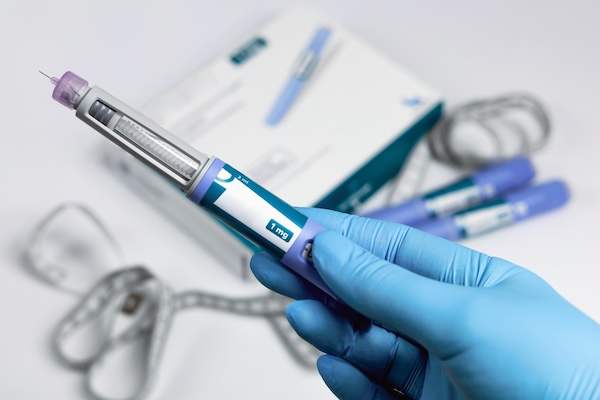
Pre-injection preparation: Allow the medication pen to reach room temperature by removing it from the refrigerator for the time specified in your medication's Patient Information Leaflet (PIL)
Melanoma Research, 26 (6), 625630
The clinical trial data from both Phase 2 (Jastreboff et al., NEJM 2023) and Phase 3 (TRIUMPH-4, Eli Lilly press release December 2025) provide a detailed picture of the weight loss trajectory over time